BlogDigital Marketing

The Great Rebuild: 5 Digital Marketing Trends That Dominated 2025

Share:

In 2025, marketing was no longer a series of campaigns; it became an integrated system. As consumers began using an average of three discovery channels before any purchase, the lines between search, social, and commerce dissolved. This forced a fundamental rebuild, where AI-powered workflows, content-led commerce, and real-time personalization became…
In 2025, marketing was no longer a series of campaigns; it became an integrated system. As consumers began using an average of three discovery channels before any purchase, the lines between search, social, and commerce dissolved. This forced a fundamental rebuild, where AI-powered workflows, content-led commerce, and real-time personalization became the new foundation for how brands are discovered, trusted, and chosen.   At the same time, the speed and scale of AI triggered a necessary human counter-reaction. Trust, ethics, and authenticity became decisive filters, not soft values. McKinsey 2025 reports reflect this dual shift clearly. Marketing began to feel more like a system working quietly in the background, while brands were expected to show up with greater clarity, consistency, and credibility at every touchpoint. The defining digital marketing trends 2025 were not isolated tools or tactics, but signals of a larger rebuild—one where intelligence was built in, experiences responded in real time, and human trust became the anchor that made acceleration sustainable.
  • AI Avatars took over the feed

AI avatars became one of the most visible influencer marketing shifts in 2025, as brands started using them to post 24/7 and be precisely aligned with brand tone, values, and campaign calendars. Virtual influencers like GIA, Noonoouri, and Lil Miquela are increasingly fronting fashion drops, beauty launches, and even music and activism campaigns giving brands greater creative control, faster content localisation across markets, and more efficient production at scale.   India’s first virtual influencer, Kyra, crossed 250k+ followers on Instagram and continued collaborations with brands like boAt and Titan Eye+, using CGI‑driven travel, lifestyle, and fashion content to deliver campaign reach without the unpredictability of human celebrity schedules or controversies. Newer virtual personas and AI‑avatar products such as Naina and “virtual mom” Kavya Mehra have emerged showcasing how AI characters can be tailored to specific niches from parenting to beauty, rather than just generic models.   AI Avatars act as always‑on brand ambassadors, fronting social‑first campaigns on Instagram Reels and YouTube Shorts with consistent visuals and messaging. Many brands pair AI avatars with human creators using them for hero visuals and explainers, and real influencers for testimonials and live interactions so the brand gets both novelty and “human proof.” AI avatars are increasingly tied to purpose and experience. Fashion and luxury campaigns like Dior collaborating with Noonoouri or houses like Balmain rolling out CGI “armies” of virtual models and similar avatars foreground sustainability, inclusivity, or digital couture. Local platforms like CreatorsXchange and JioStarverse now offer “virtual influencer as a service,” letting marketers spin up multilingual, culture‑tuned AI faces that can personalize scripts and appearances at scale, making AI avatars one of the most talked‑about emerging AI marketing trends of the year.
  • Content became AI-Infused, Immersive and Dynamic

More immersive and dynamic content became a defining marketing shift in 2025 as audiences stopped being satisfied with passive scrolling and started expecting experiences they could tap, swipe, explore, or even step into. Content creation and distribution became deeply AI-native, with generative tools helping marketers ideate, draft, and personalize at scale while teams shifted more time into strategy and experimentation. The hype around immersive experiences like shoppable, interactive videos and virtual showrooms amplified, turning feeds and product pages into dynamic environments where users could discover, try, and buy without leaving the scroll.   Myntra exemplifies this trend. In 2025, the platform seamlessly combined AR 'virtual try-on' tools, AI-powered recommendations, and in-app shoppable live streams, allowing users to explore looks, test products, and purchase without ever leaving the content flow. Similarly, Amazon India stepped up video and live shopping in 2025, adding short shoppable videos and live shows to brand stores so viewers can tap products on screen and buy instantly turning each video into a mini storefront.   Taken together, in 2025, digital marketing trends moved away from one size fits all assets to tightly defined niches and interconnected ecosystems. AI-driven personalization became a core expectation, with around 70% of consumers wanting tailored experiences and brands using behavioral and contextual data to dynamically adapt messages, offers, and creativity in real time.
  • AI SEO became Mainstream

AI SEO became non‑negotiable in 2025. Platforms like Google and AI assistants began summarizing information directly on the results page, shaping what people saw, trusted, and acted on before they ever clicked through. According to Ahrefs, AI overviews on search results pages slash the click through rate for the top-organic spot by an average of 34.5%. For brands, being discoverable meant more than ranking on a results page. They now have to adapt to Generative Engine Optimization (GEO), ensuring their content could be interpreted and surfaced within AI-generated answers.   At the same time, consumers started using multiple search paths in parallel—asking AI tools, scrolling social platforms, and checking traditional search—making visibility more fragmented and competitive. The brands that performed best in this new environment focused on clarity and credibility. They focused on strong E-E-A-T practices, publishing content with clear points of view, strong expertise, and structured narratives that AI systems could confidently surface in answers. The goal was no longer just driving clicks, but earning presence where questions were being answered instantly.   By the end of 2025, success in SEO is measured by whether a brand showed up inside AI-generated responses themselves. SEO teams integrated AI tools for tasks like keyword clustering and content audits, speeding up processes while pairing them with human oversight for quality. B2B brands crafted pillar pages and use schema markup to boost chances of being quoted in AI answers, turning "AI visibility" into a measurable KPI alongside traffic. That shift turned AI-led search visibility into a strategic priority, and one of the defining latest marketing trends of the year.
  • Social Commerce evolved through Live Streams

In 2025, social commerce in India stopped being a side experiment and became one of the main ways people actually shop, especially in fashion, beauty, and everyday categories. It evolved into a full ecosystem where newer marketing trends like user‑generated content (UGC), creator communities, and niche platforms such as Discord-style groups started to play as big a role as traditional brand channels. One big shift was creator‑led commerce becoming the “front end” of e‑retail. Brands increasingly encourage customers to post haul videos, review reels, before‑after shots, and “unfiltered” experiences on Instagram, YouTube Shorts, and Meesho/Myntra feeds, then plug the best of this content directly into product pages and shoppable videos   According to Storyboard18, Myntra’s Ultimate Glam Clan and shopper‑creator programmes already drive over 10% of platform revenue and see 25–28% higher conversion than regular listings, with nearly one in five customers engaging with creator content before buying. Meesho works with more than 50,000 creators and has close to one million creator videos that generated sales last year, essentially turning its app into a video‑first bazaar for Tier‑2/3 India.​   Alongside this, conversational commerce on WhatsApp emerged as one of the major recent trends in marketing, quietly becoming the “mall” for millions of small businesses. With around 500 million+ Indian users and roughly 80% of Indian small sellers using WhatsApp Business for catalog sharing and chats, brands and merchants now run the entire funnel in chat, sharing catalogs, handling queries, collecting UPI payments, and even doing one‑to‑one styling sessions. Layered on top of this is a new wave of hyper‑personalisation via AI chatbots and assistants. Nykaa’s new AI stylist, Nykaa Muse, is a clear 2025 example of this shift, acting like a digital shopping assistant that chats about your tastes, occasions, and moods before serving smarter, more tailored beauty and fashion recommendations every time you come back. This evolution denotes that social content is no longer just about awareness posts. It is a full‑funnel engine where creators, chats, and live video now directly carry the responsibility for discovery, confidence, and conversion.
  • Conscious Marketing with Purpose, Ethics & Sustainability
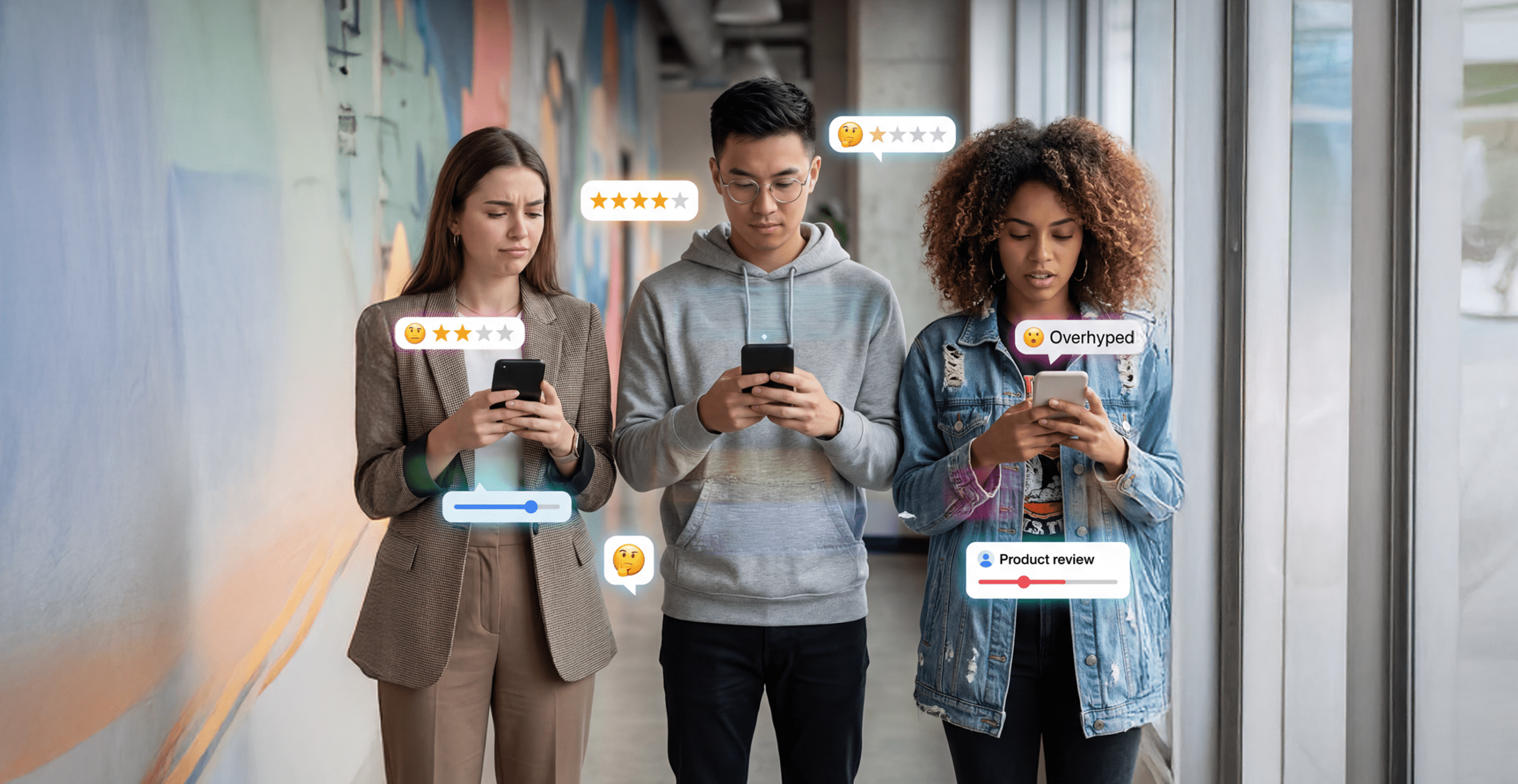
Marketing ethics and sustainability moved from slogan to survival strategy in 2025. New Central Consumer Protection Authority (CCPA) Greenwashing Guidelines, finalised in October 2024 and operational through 2025 has shaped this year’s digital marketing trends. It now requires brands to back terms like “eco‑friendly,” “green,” or “carbon neutral” with clear proof, certifications, and specific data, with fines and penalties for vague or misleading environmental claims. According to MN4U Bureau, only 29% of Indian consumers actually trust green marketing claims, pushing brands to move from glossy ESG campaigns to measurable impact such as renewable energy use, plastic reduction, traceable supply chains, and transparent reporting as the real drivers of trust and brand value.   Leading Indian examples in 2025 reflect this “intent to evidence” shift. Tata Motors continues to build its “Evolve to Electric” narrative around the Nexon EV and other EVs by pairing communication with investments in charging infrastructure and policy partnerships, while Tata Group overall tops Brand Finance’s 2025 Sustainability Perceptions Index for India, signalling that consistent, long‑term ESG action now translates into tangible brand and financial value. FMCG and consumer brands like Dabur, ITC and Godrej Consumer Products are highlighted for moving beyond one‑off cause campaigns into sustained programs on eco‑friendly packaging, responsible sourcing, and carbon/energy targets, positioning sustainability as a business and brand strategy rather than a seasonal message.    For an urban, digital‑first shopper who says “I want to buy better, but I don’t have time to research everything,” this kind of structured transparency is exactly what converts intent into actual sustainable purchases. It also changes the job of content and media. Campaigns increasingly point to dashboards, proof points, supply‑chain stories, and impact reports, not just big‑budget films. Taken together, 2025 looks like the year India’s “marketing with purpose” story grew up; brands that win trust are the ones treating ethics and sustainability as verifiable performance levers—measured, audited, and communicated with specificity.

What 2025 Taught Us about Marketing’s Future

2025 made one thing unmistakable. Digital marketing moved past the false choice between technology and humanity and into a new equilibrium shaped by both. AI accelerated everything—creation, personalization, discovery, and scale. But that very speed sparked an equally powerful reaction. Trust, ethics, and authenticity stopped being differentiators and became expectations.   When avatars can speak flawlessly, content can adapt instantly, and search can think in meaning rather than keywords, advantage no longer comes from capability alone. It comes from intent. Why a brand shows up, what it stands for, and how consistently it earns belief across every touchpoint.   Looking ahead, the next phase of marketing will reward clarity over complexity. As AI lowers the cost of creation, meaning gains value. As automation compresses time, proof and accountability become non-negotiable. And as experiences grow more intelligent, consumers will gravitate toward brands that think deeply and balance speed with sincerity.   The defining question for digital marketing in 2026 will not be how quickly brands can create, personalize, and optimize, but how deliberately they choose to do so. Those who respect the tension between acceleration and restraint, data and dignity, will not simply keep pace with change. They will set the standard for what marketing becomes next.

Subscribe to our weekly updates.


    Make a mark in the industry with us via digital transformation.

    Contact us